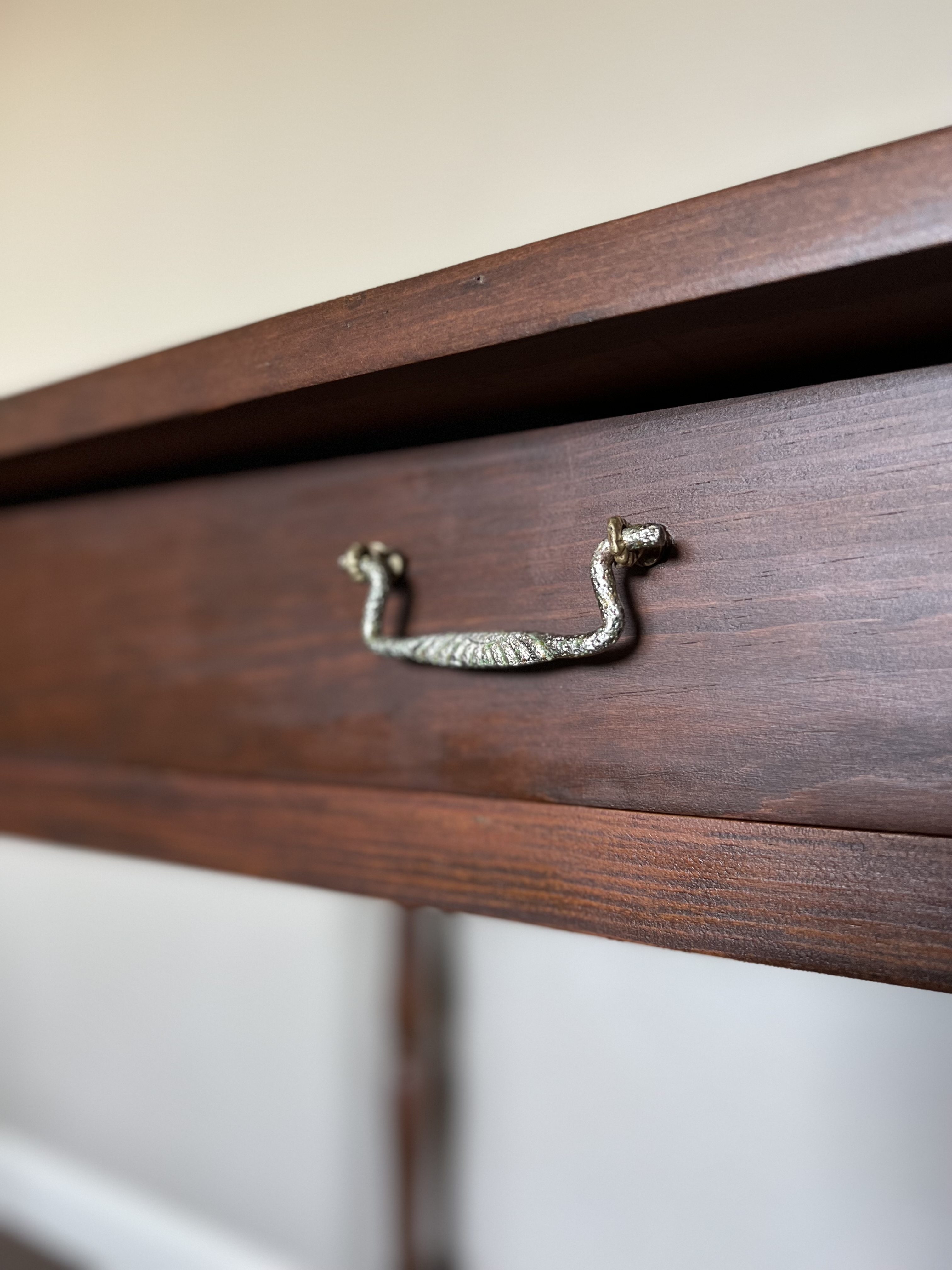
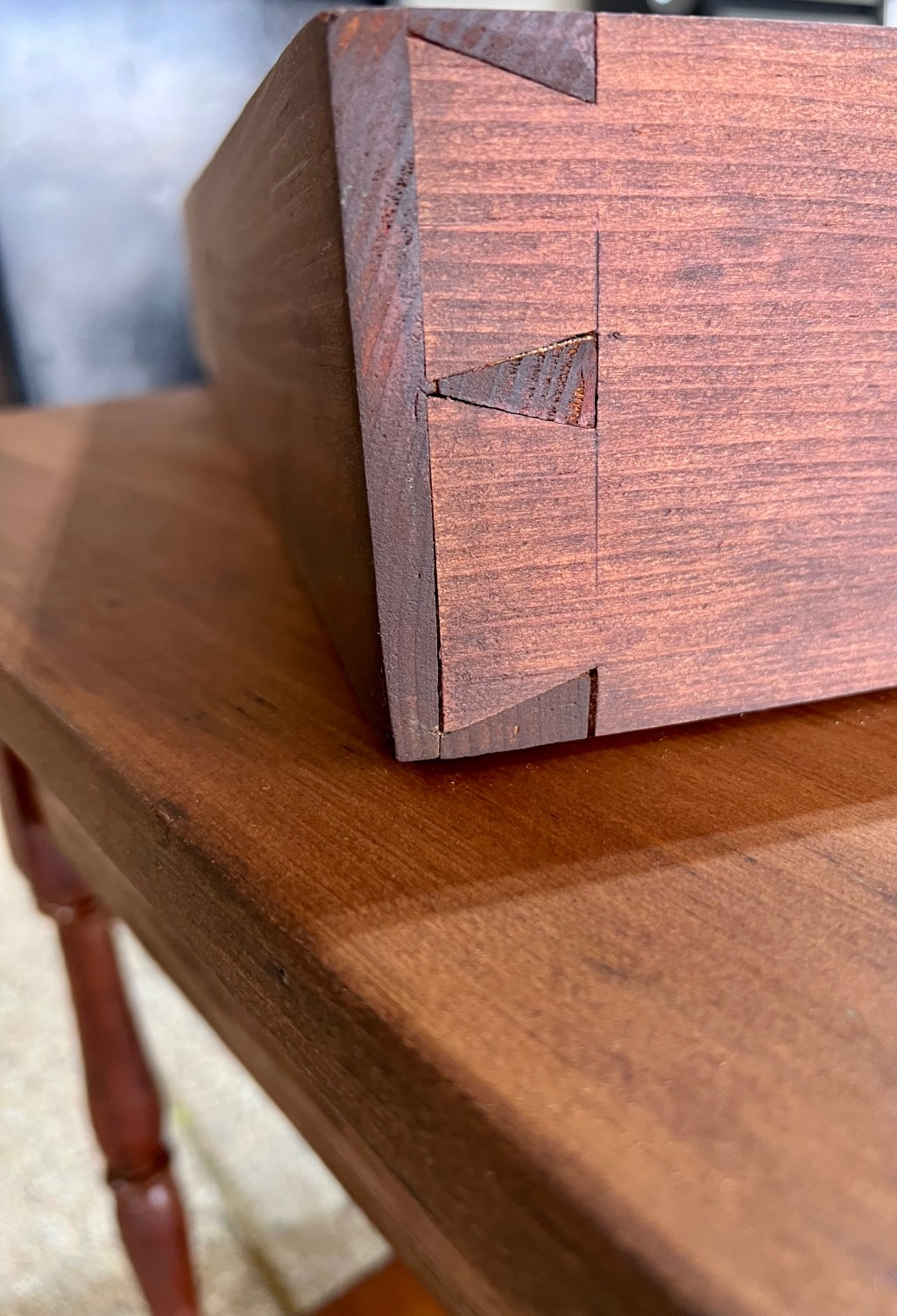
Embarking on a journey into furniture restoration is an exciting endeavor filled with creativity, learning, and the satisfaction of bringing new life to old pieces. For those new to the craft, navigating the world of restoration can seem daunting. However, with the right tips and guidance, beginners can set themselves up for success and enjoy a fulfilling experience. Here are some essential tips for new furniture restorers to help them get started on the right foot:
1. Gather the Right Supplies:
Before diving into your first restoration project, make sure you have all the necessary supplies on hand. This includes sandpaper, paintbrushes, paint or stain, protective gear (such as gloves and goggles), wood filler, screws, and any other materials specific to your project. Investing in high-quality supplies from reputable suppliers will ensure better results and a smoother restoration process.
2. Create Adequate Workspace:
Having a dedicated workspace is crucial for successful furniture restoration. Ideally, your workspace should be well-lit, ventilated, and spacious enough to accommodate your projects comfortably. Consider setting up a designated area in your garage, basement, or even a corner of a spare room where you can work without interruptions.
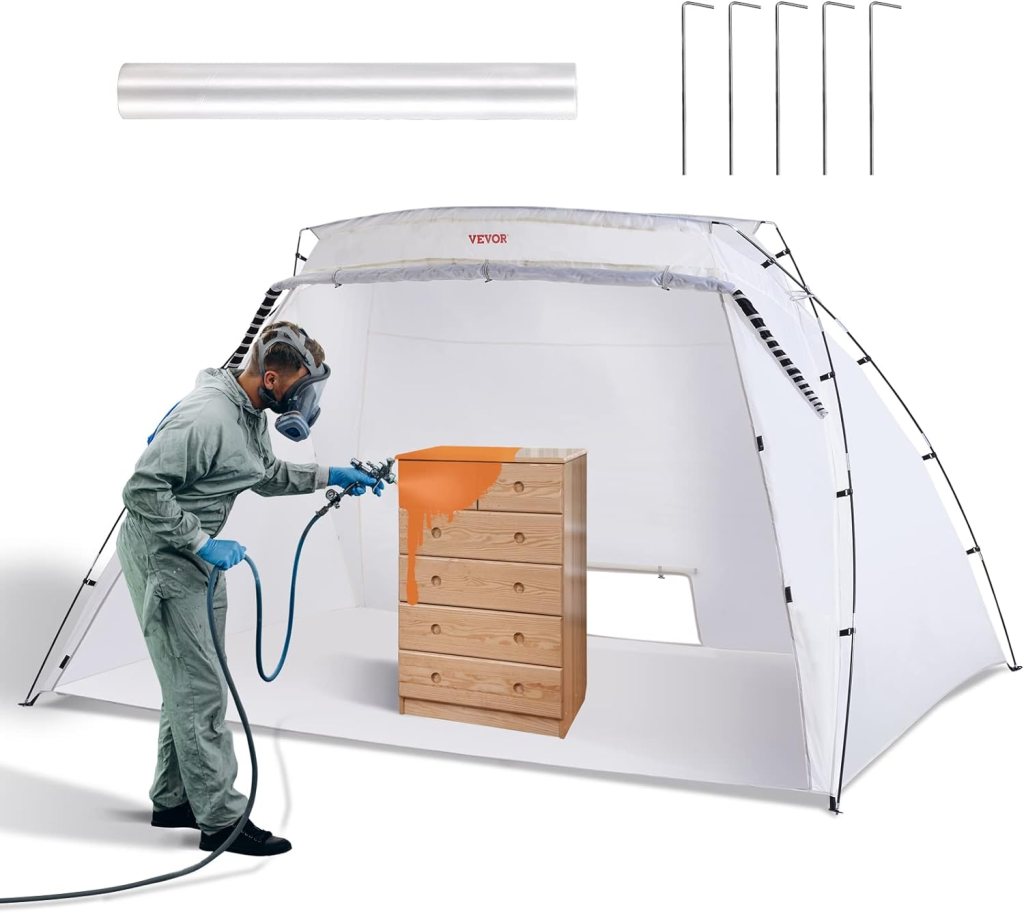
You may consider using a containment tent. This confines paint overspray, adds protection of nearby surfaces and can be set up quickly in numerous locations.
3. Invest in Transportation Solutions:
Transporting furniture pieces to and from your workspace can be challenging, especially for larger or heavier items. Invest in appropriate transportation solutions such as a truck, moving blankets, or straps to safely move furniture without causing damage to yourself or the piece.
4. Start Small and Build Skills:
As a new furniture restorer, it’s essential to start small and gradually build your skills and confidence. Begin with simpler projects that require minimal repairs and refinishing before tackling more complex pieces. This approach will allow you to learn the basics of restoration techniques and gain experience before taking on larger, more challenging projects.
5. Learn from Others:
Take advantage of resources available to you, such as online tutorials, workshops, and community groups dedicated to furniture restoration. Learning from experienced restorers and sharing tips and advice with fellow enthusiasts can greatly accelerate your learning curve and provide valuable insights into best practices and techniques.
6. Practice Patience and Perseverance:
Restoring furniture is a labor of love that requires patience, perseverance, and attention to detail. Don’t be discouraged by setbacks or mistakes along the way. Instead, view them as opportunities to learn and improve your skills. Take your time, work methodically, and celebrate your progress with each completed project.
By following these essential tips, new furniture restorers can set themselves up for success and embark on a fulfilling journey of creativity and craftsmanship. With dedication, practice, and a passion for restoration, the possibilities for transforming old and forgotten pieces into cherished treasures are endless.
#amazonaffiliate #commissionsearned
 Seven Twenty Restored
Leave a comment