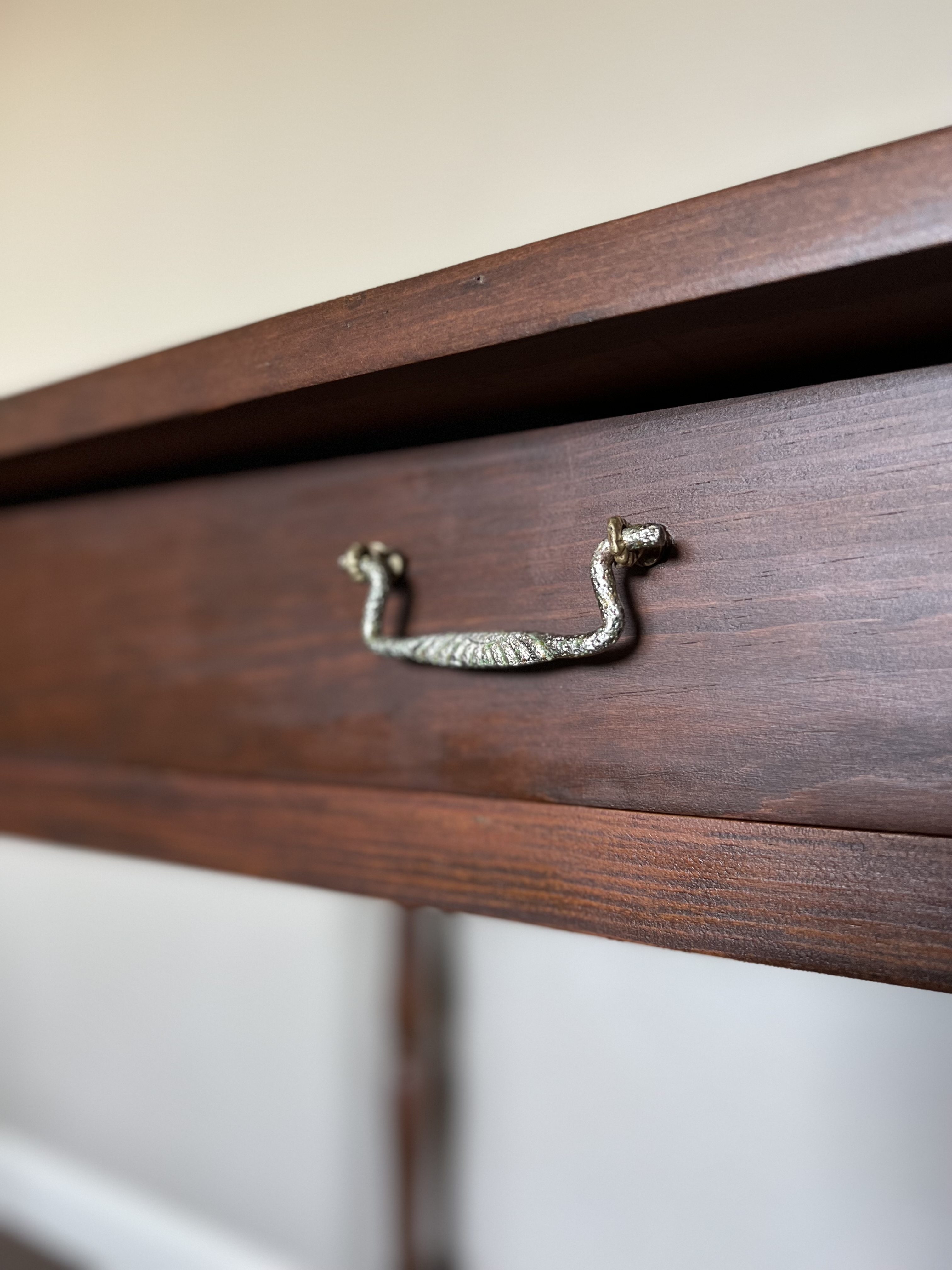

Beginning a furniture refurbishing project is an exhilarating journey, offering the chance to breathe new life into forgotten pieces. Understanding the initial steps in refurbishing furniture is crucial for a successful endeavor. From sourcing the ideal piece to cleaning, prepping, and addressing repairs as needed, here’s a comprehensive guide to help you kickstart your refurbishing adventure.

1. Finding the Perfect Piece:
The first step in refurbishing furniture is finding the perfect piece to work on. Whether you’re browsing thrift stores, garage sales, flea markets, or online marketplaces, keep an eye out for solid wood furniture with good bones. Look for pieces with interesting details, sturdy construction, and potential for transformation. Don’t be afraid to think outside the box and envision how a piece could look with a little TLC.
2. Cleaning and Prepping:
Once you’ve found your furniture piece, it’s time to roll up your sleeves and get cleaning. Start by removing any dust, dirt, or grime using a mild detergent or wood cleaner and a soft cloth. For stubborn stains or buildup, consider using a gentle abrasive cleaner or a mixture of vinegar and water. After cleaning, allow the piece to dry thoroughly before moving on to the next step.
3. Repairing as Needed:
After cleaning, carefully inspect the furniture piece for any damage or areas in need of repair. Common issues to look out for include loose joints, missing hardware, scratches, dents, or chips in the wood. Depending on the extent of the damage, repairs may involve tightening screws, filling in cracks or holes with wood filler, or replacing damaged hardware. Take your time with repairs, ensuring that the piece is structurally sound before proceeding to the next stage of refurbishing.
4. Sanding and Preparing for Refinishing:
Once any repairs have been completed, it’s time to prepare the surface for refinishing. Start by sanding the entire piece using a medium-grit sandpaper to remove any existing finish, smooth out imperfections, and create a clean, uniform surface. Work methodically, following the grain of the wood and paying extra attention to detail on intricate or hard-to-reach areas. After sanding, wipe down the piece with a tack cloth to remove any dust or debris before applying a new finish.
By following these first steps in refurbishing furniture, you’ll be well on your way to transforming old and tired pieces into beautiful and functional treasures. Remember to take your time, be patient, and enjoy the creative process. With a little effort and creativity, the possibilities for refurbishing furniture are endless. Happy refurbishing!
#amazonaffiliate #commissionsearned
 Seven Twenty Restored
Leave a comment