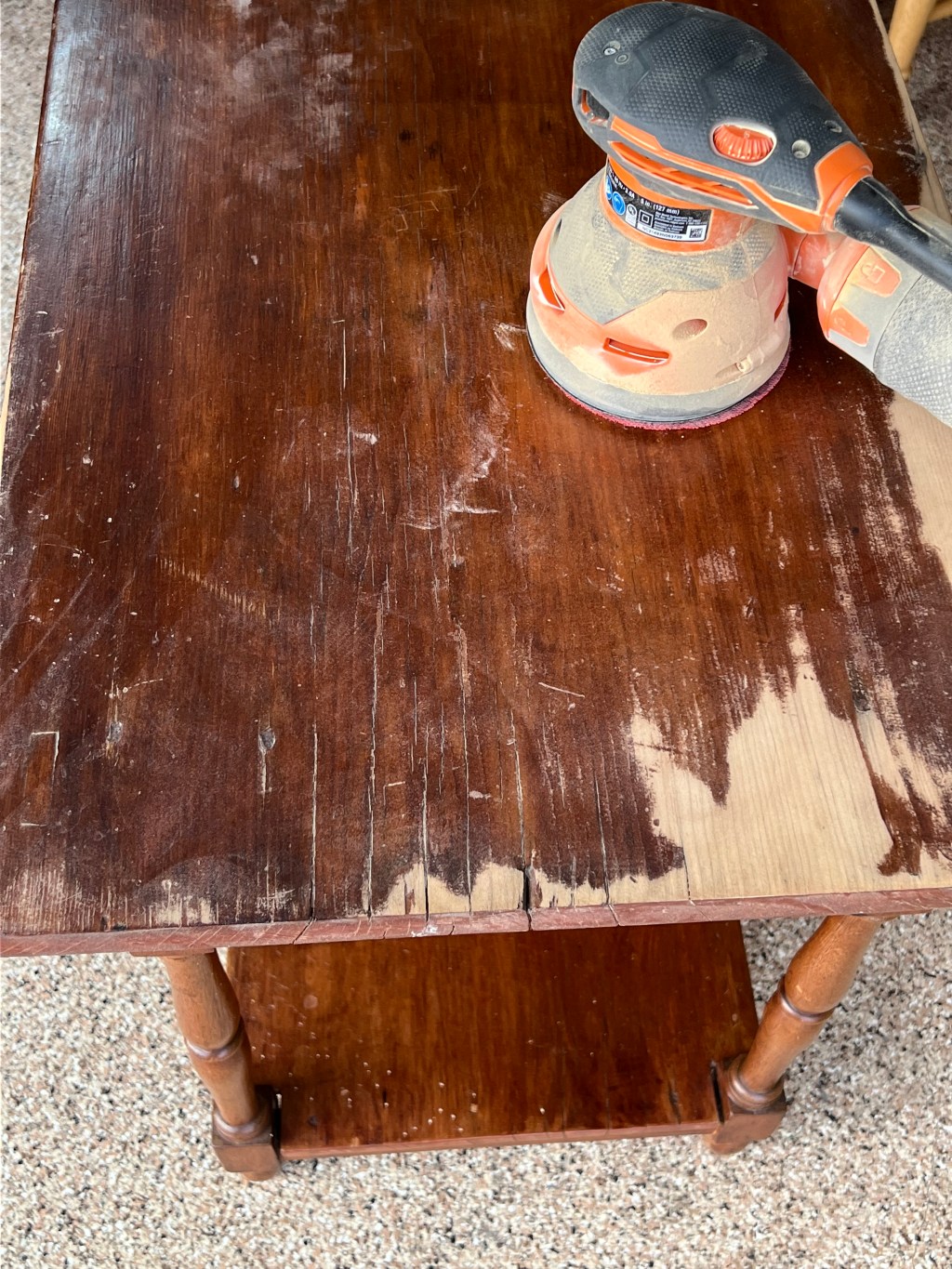
Restoring furniture is a rewarding endeavor that allows individuals to breathe new life into old and neglected pieces. However, along the restoration journey, enthusiasts often encounter various challenges that require patience, creativity, and problem-solving skills to overcome. From sourcing the right supplies to tackling unseen repairs and achieving flawless finishes, here’s a closer look at some of the biggest challenges of restoring furniture.
1. Sourcing Quality Supplies:
One of the initial challenges of furniture restoration is sourcing high-quality supplies. From sandpaper and paint to brushes and varnish, using the right materials is essential for achieving professional results. However, finding reliable suppliers and discerning the best products for each project can be daunting, especially for beginners.
2. Unforeseen Repairs:
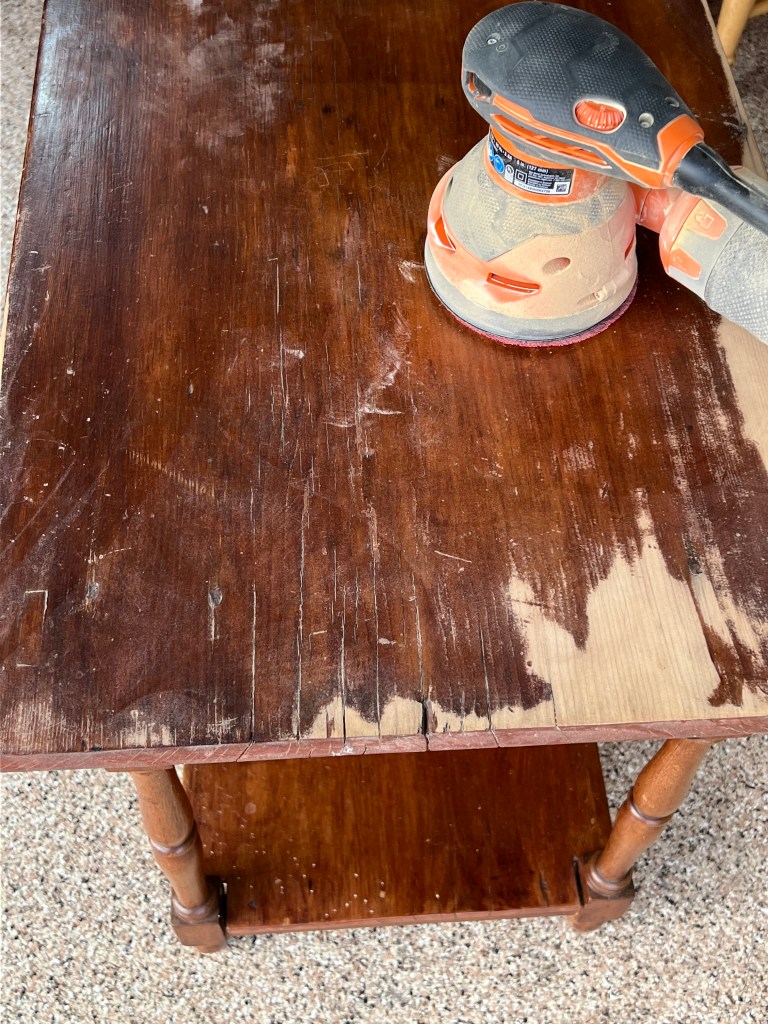
Once restoration work begins, uncovering unforeseen repairs can present significant challenges. Structural issues such as loose joints, broken hardware, or water damage may require additional time, effort, and expertise to address effectively. Dealing with these unexpected repairs can disrupt the restoration process and test the restorer’s skills and resourcefulness.
3. Achieving Smooth Paint Finishes:
Achieving smooth and streak-free paint finishes is another common challenge in furniture restoration. Factors such as improper surface preparation, low-quality paint, or inconsistent application techniques can result in unsightly streaks, drips, or brush marks. Overcoming these challenges requires careful attention to detail, proper technique, and sometimes experimentation with different paint types or application methods.
4. Controlling Temperature and Humidity:
The environmental conditions in which furniture restoration takes place can significantly impact the outcome of the project. Extreme temperatures or high humidity levels can affect the drying time and adhesion of paint, stain, or varnish, leading to subpar results. Maintaining a controlled environment with optimal temperature and humidity levels can pose challenges, particularly in non-climate-controlled spaces.
5. Preserving Original Features:
For restorers committed to preserving the authenticity and integrity of antique or vintage furniture, navigating the delicate balance between restoration and preservation can be challenging. Deciding which features to retain, repair, or replace while respecting the piece’s history and character requires careful consideration and expertise.
6. Time Management:
Furniture restoration is a labor-intensive process that requires a significant investment of time and effort. Balancing restoration projects with other commitments and responsibilities can be challenging, leading to delays and prolonged timelines. Effective time management strategies, prioritization, and realistic goal-setting can help mitigate this challenge and keep restoration projects on track.
Furniture restoration presents a myriad of challenges that require skill, patience, and perseverance to overcome. From sourcing quality supplies and tackling unforeseen repairs to achieving flawless finishes and managing time effectively, navigating these obstacles is an integral part of the restoration journey. By embracing these challenges as opportunities for growth and learning, enthusiasts can hone their skills and create truly remarkable pieces that stand the test of time.
#amazonaffiliate
#commissionsearned
 Seven Twenty Restored
Leave a comment