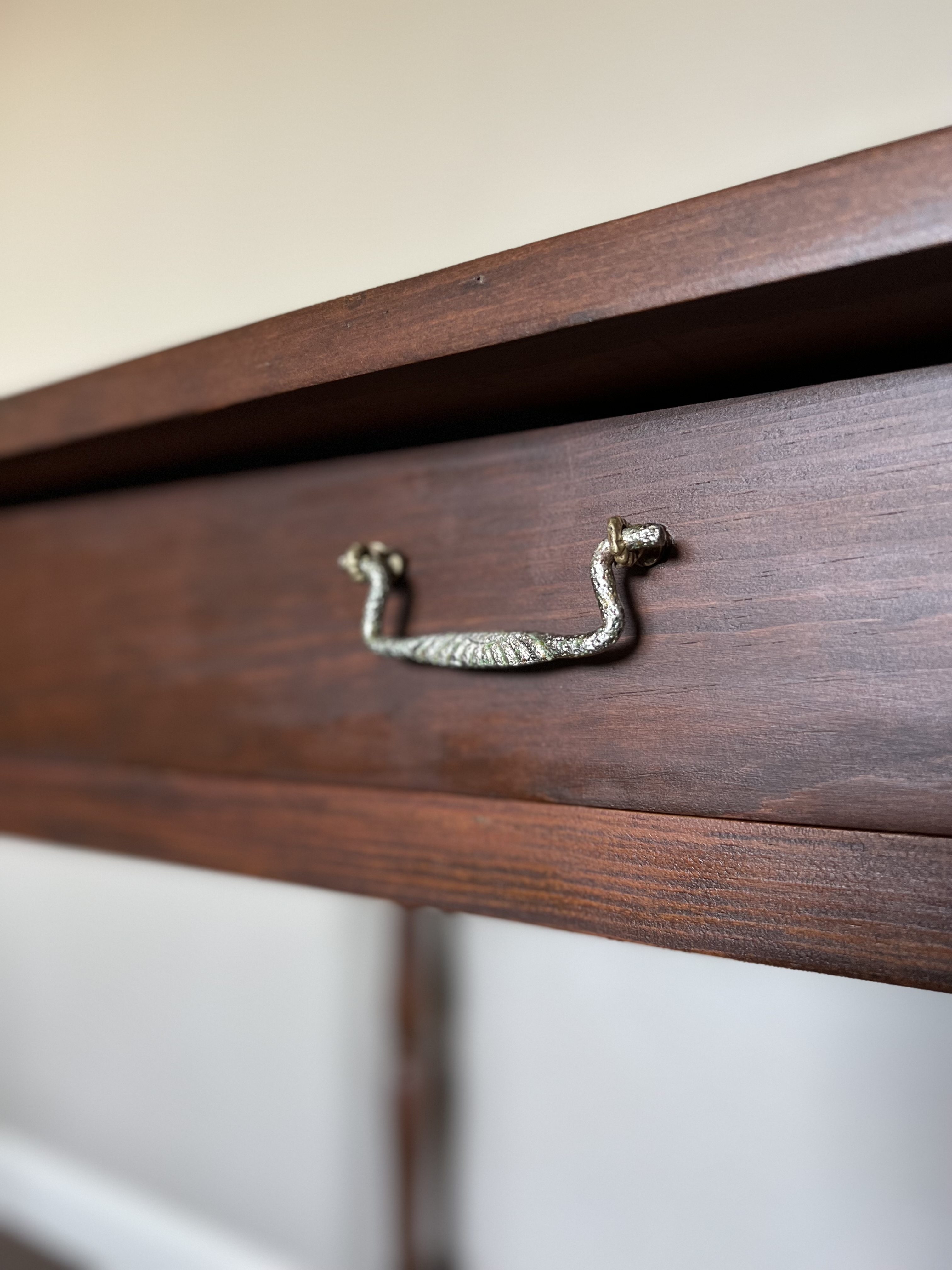

When it comes to selecting the ideal piece of furniture for restoration, the material it’s crafted from can significantly impact the outcome of your project. While there are various options available, including Medium-Density Fiberboard (MDF) and veneers, nothing quite compares to the timeless beauty and quality of real wood. In this article, we’ll explore why real wood furniture is the preferred choice for furniture restoration enthusiasts and how working with solid wood can elevate your refurbishing projects to new heights.
1. Authenticity and Character:
Real wood furniture exudes authenticity and character that simply can’t be replicated by engineered materials like MDF. Each piece boasts unique grain patterns, knots, and variations that tell a story and add charm to any space. When restoring real wood furniture, you have the opportunity to preserve and enhance these natural features, allowing the piece to shine with its inherent beauty.
2. Durability and Longevity:
One of the most significant advantages of real wood furniture is its durability and longevity. Solid wood can withstand years of use and abuse, developing a rich patina and character over time. Unlike MDF or veneer furniture, which may warp, chip, or delaminate with age, real wood furniture stands the test of time, making it a wise investment for restoration projects that are built to last.
3. Restoration Potential:
Real wood furniture offers unparalleled restoration potential, allowing enthusiasts to breathe new life into old and neglected pieces. Whether you’re refinishing a vintage dresser, repairing a worn-out tabletop, or restyling a classic chair, working with solid wood provides a sturdy foundation for your restoration efforts. Real wood can be sanded, stained, painted, or refinished to achieve a wide range of looks and styles, making it incredibly versatile for restoration projects.
4. Sustainability and Environmental Benefits:
From an environmental standpoint, real wood furniture is a sustainable choice for restoration projects. Solid wood is a renewable resource that can be harvested responsibly from managed forests, promoting forest stewardship and conservation efforts. Additionally, real wood furniture is biodegradable and can be repurposed or recycled at the end of its lifecycle, reducing environmental impact compared to synthetic materials like MDF.
5. Value and Investment Potential:
While MDF furniture may be more affordable upfront, real wood furniture offers better long-term value and investment potential. High-quality solid wood pieces retain their value over time and can even appreciate in worth with age. Restoring real wood furniture allows you to preserve its inherent value and craftsmanship, making it a valuable asset for your home or future resale.
When it comes to furniture restoration, choosing real wood furniture as your canvas is the best way to achieve stunning results that stand the test of time. From its authenticity and character to its durability, versatility, and sustainability, real wood furniture offers countless advantages for restoration enthusiasts seeking to breathe new life into old treasures. So, next time you’re on the hunt for the perfect restoration project, opt for real wood furniture and unleash your creativity with confidence.
 Seven Twenty Restored
Leave a comment